Common Sense : Why Conservation needs its Community

Conservation may be all about wildlife and habitats - but it’s people that make things happen.

Volunteers have been the backbone of all of my conservation work - and it’s equally true here, on Brill Common. When sheep grazing ended in 1996, two volunteer groups took on the active management of the common alongside the BVCH - Friends of Brill Common (FOBC formed in 2007) and the Common Volunteers (formed in 2003). Remember that many commons are the product of centuries grazing and low-intensity use. If left unmanaged, scrub and woodland take over, shading out wildflowers, reducing open habitats, and changing the ecosystem entirely. 

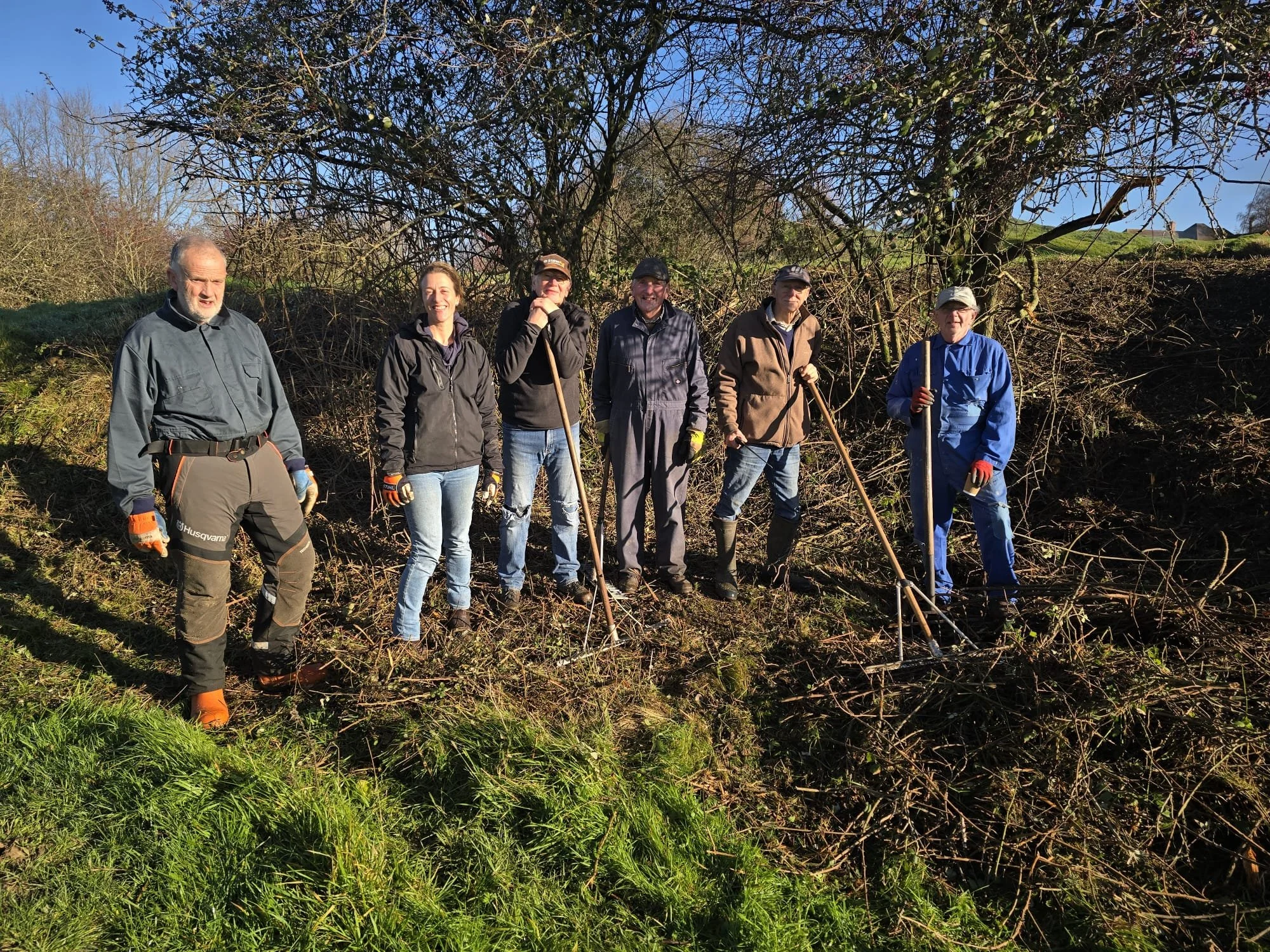
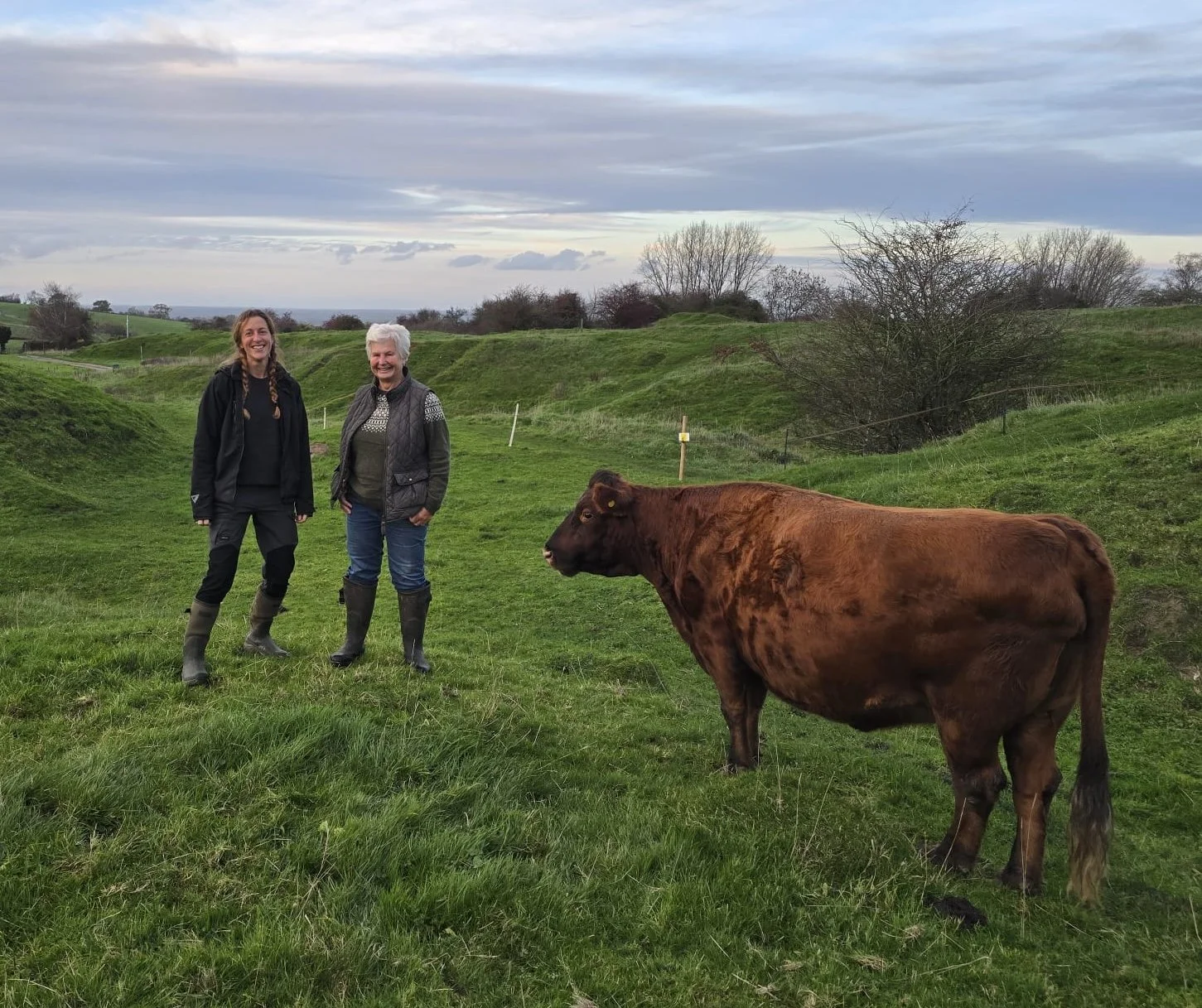
One of my primary roles as Ranger is to “maintain, protect and enhance Brill Common for the benefit of wildlife and people” - and supporting the volunteers in their work is a crucial means of achieving this outcome. I’ve already had the pleasure of meeting and working alongside with both the FOBC (pictured left) and the Common Volunteers and, over the coming months, I’ll write more about both giving them the airtime and word count they deserve. For the time being, here’s a brief insight into how conservation works in practice and the skills and knowledge that have helped make Brill Common what it is today. 

The management of any wildlife site begins with a habitat survey; a record of plant species, noting key indicator species, invasive species, and any plants of conservation concern. This information helps us assess the condition of the habitat and determine its management needs - in short; what we need to encourage - and what we need to minimise. Since 2008, the condition of Brill Common has been documented in a series of surveys and reports and the resulting work schedules have guided on-going management by all the volunteer groups.

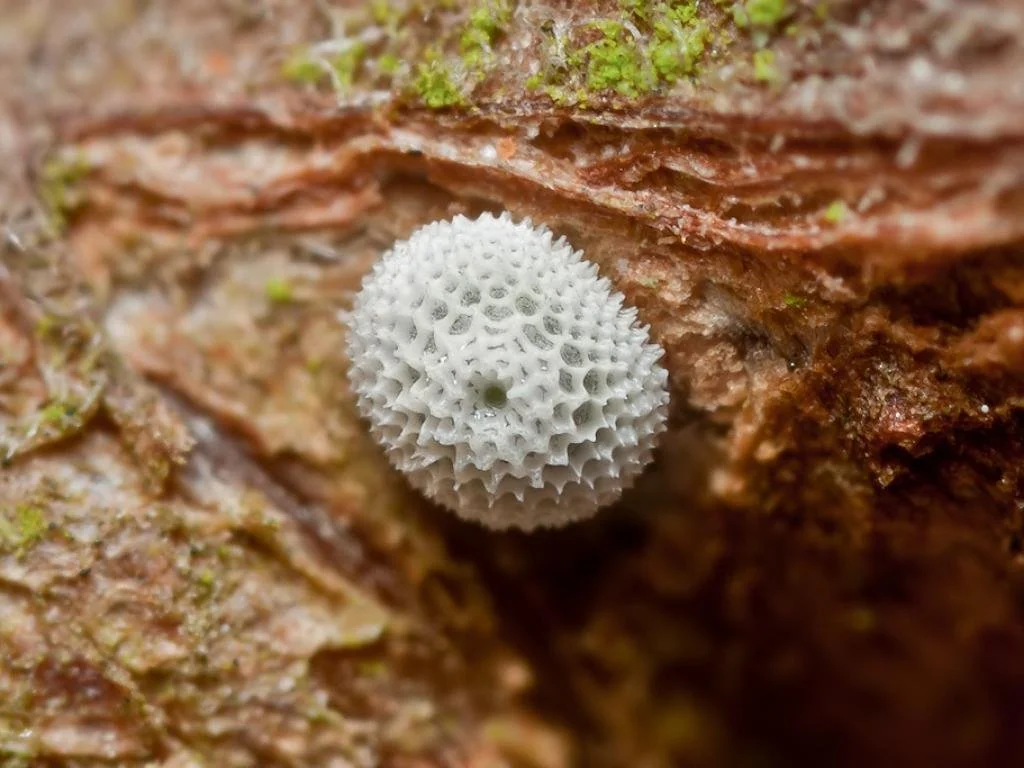
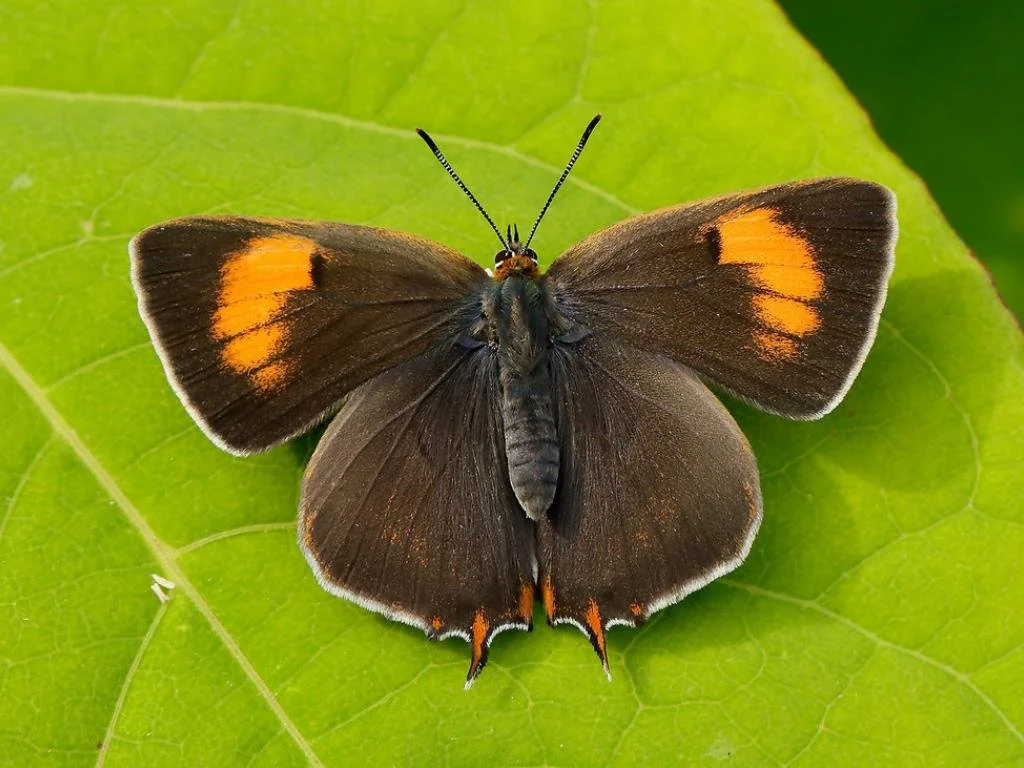
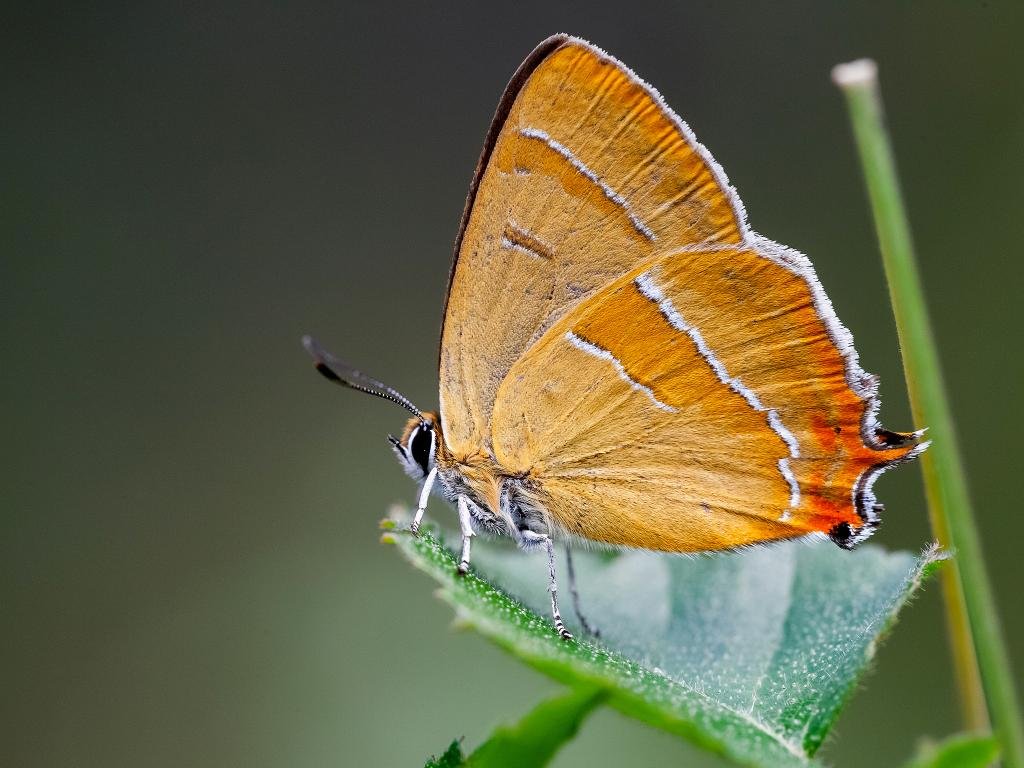
Keeping volunteers and residents informed is a key part of my work - and something I believe to be vitally important. Here’s one small example. Last month, a BBOWT surveyor noted Brown Hairstreak Butterfly eggs on the common; fantastic news and a clear sign that our habitat management is working. The Brown Hairstreak Butterfly is just one of many species benefitting from our volunteers’ dedication and hard work. Pockets of habitat - like Brill Common - link together to form wildlife corridors; essential routes and refuges that support the long-term survival of countless species. Never underestimate the importance of even a small wildlife site - nor the people that make all this possible.

Please get in touch!

Do email me your wildlife questions including photos of things you’ve seen out on the common and would like to know more about. I’m thinking about setting up weekly nature walks. What do you think? Would you or your family be interested?

From left to right: Brown Hairstreak Butterfly egg (Gillian Thompson). Brown Hairstreak Butterfly upper wings (Iain Leach). Brown Hairstreak Butterfly under wings (Adam Gro) All photos from Butterfly Conservation website.

A Tail of Two Herds

One of the main reasons I applied for this job was because your common has animal lawnmowers. As most of you know, Brill Common is unimproved grassland; an incredibly important and increasingly rare habitat that supports a wide range of flora and fauna. Protecting and managing this habitat is crucial and this is where the grazing cows and goats come into their own.

A handful of people in Brill have grazing rights and two people who exercise these rights are Pat and Tim. 

Fiona, Pat Stone, and Squeak - one of the sweet-natured Dexters on Brill Common

Pat is the incredibly knowledgable manager of the herd of seven beautiful Dexter ladies on the common. Dexter is a heritage breed of cattle originating in Ireland. It’s the smallest breed in the British Isles, notable for being both hardy and docile, making them ideal animals for grazing common land. Pat and a dedicated group of volunteers and shareholders form the Brill Village Community Herd. A core of fifty or so volunteers support the herd as Lookers and Movers - which sounds like a great band name! I went along last week to help relocate the cows, and was impressed with how streamlined the Movers’ operation was; much less stress than other livestock operations I’ve been involved with!

Livestock grazing helps keep dominant species of grass and flora in check and so prevents scrub encroachment. Cows use their tongues to pull grass into their mouths meaning they leave tussocks; a valuable habitat for insects and small mammals. Of equal importance is what happens the other end - dynamic dung! This over-looked by-product provides a nutrient-rich habitat for plants and insects: dung beetles, for example, rely on dung to survive. 

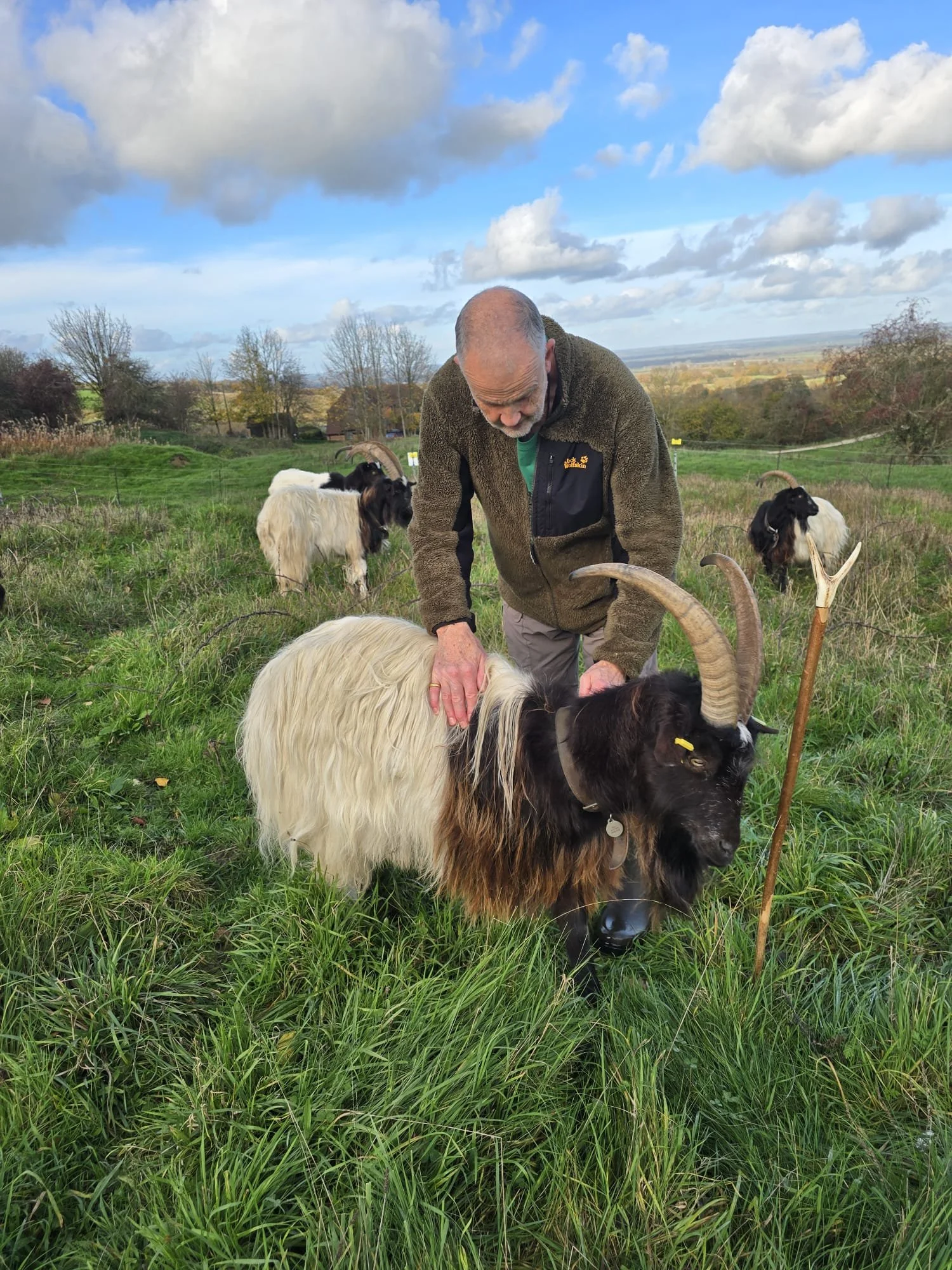
Tim Patrick and Eric (Clacton)

From dung we move onto goats - and what a stunning tribe inhabit Brill Common! The goats are owned by Tim, local man and lover of Blues music who has named each after a famous musician. Hank (one of the original pair of goats) is 17 years of age and Eric, Stevie, Jeff and Jimmi are all 11 years old. The Bagot is a rare breed of goat known for its gentle temperament and ability to graze and clear scrub; an excellent choice for the common. Unlike cows, goats graze by nibbling leaves. They appreciate a varied buffet, with a convenient preference for bramble and dog rose. 

There is so much more I could say about the two herds on Brill Common but for now I’d just like to emphasise the conservation aspect; these animals are here to protect and serve the common - and they do an incredible job. This said, the heritage of commons is not just about commoners and their livestock. Commons across the UK include areas of impressive landscape, unique geology, incredible biodiversity - and important human history. Commons must be protected. The herders and Volunteers of Brill Common are already doing this and I endeavour to support everyone involved in my role as Wildlife & Community Ranger. 

Please get in touch!

Email me your wildlife questions, ideas for events and walks on the common - and anything else wildlife-related. I’d love to hear from you!